
Solar Panel Cleaning and Maintenance NZ: The Complete Guide
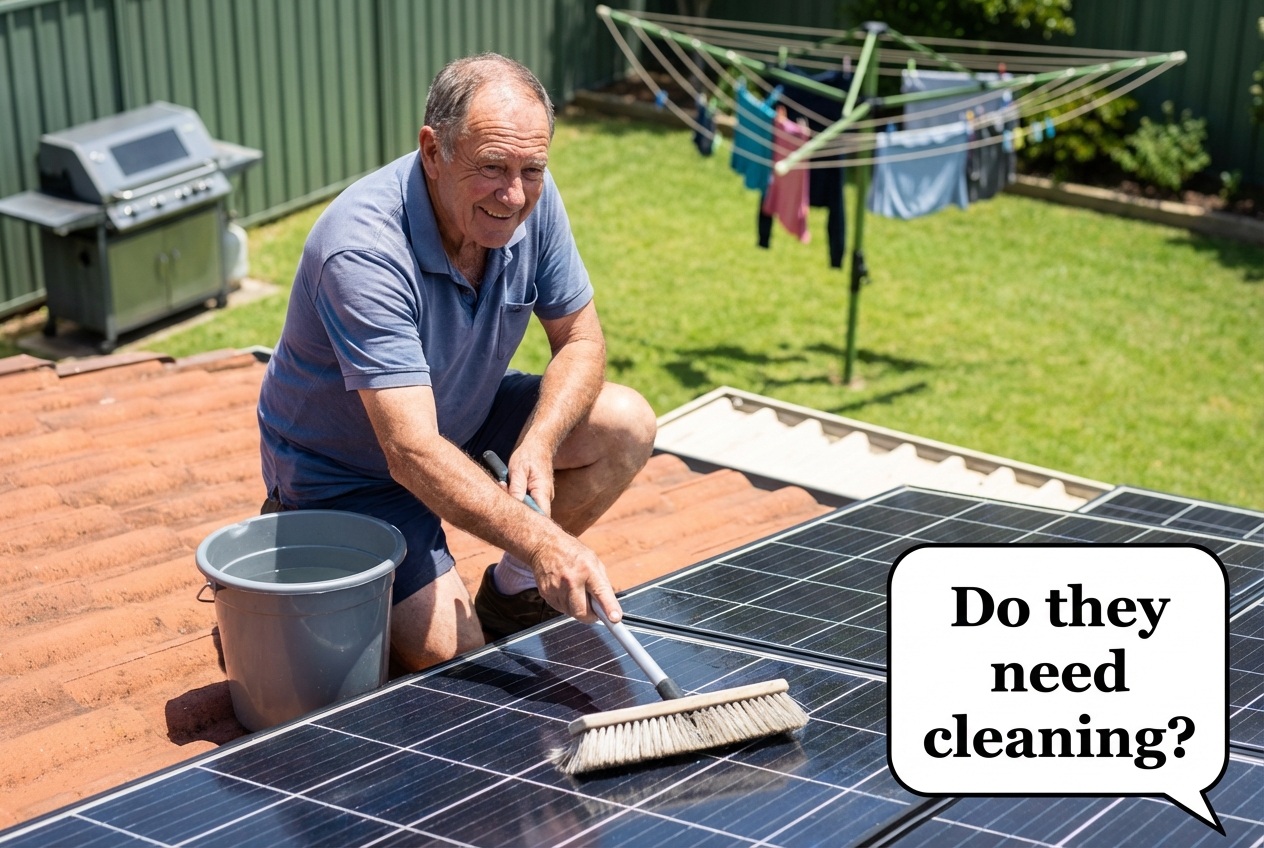
Solar panels are low-maintenance by design. No moving parts, no filters to replace, no fluids to top up. But "low maintenance" doesn’t mean "no maintenance," and in New Zealand we have a few issues that catch people off guard.
Bird droppings, lichen growth, coastal salt spray, pollen build-up. Left unchecked, these can cut your output by 15-25%. That’s hundreds of dollars a year you’re leaving on the roof.
Does Cleaning Actually Matter?
Yes, but the degree depends on your environment. In a clean, rainy location with tilted panels, natural rainfall does a decent job and you might only lose 3-5% per year to soiling. In a coastal suburb with pigeons, mature trees, and panels at a low angle? You could be looking at 15-25% losses.
| Condition | Typical Output Loss |
|---|---|
| Light dust or pollen film | 2-5% |
| Moderate soiling (6-12 months uncleaned) | 5-15% |
| Heavy soiling (coastal + birds + lichen) | 15-25% |
| Single large bird dropping on one cell | Up to 30% |
| Long-term neglect (never cleaned) | Up to 30% |
The ROI Calculation
A typical NZ residential system losing 10% to soiling loses roughly $150/year (based on $0.25/kWh). Professional cleaning costs about $150-$230 for a 15-20 panel system. So if you’re losing less than 5% from basic dust, annual cleaning barely breaks even.
But if you have bird droppings, lichen, salt spray, or heavy pollen, the losses climb fast. A system losing 20% to soiling is leaving $300+/year on the table. At that point, a $200 clean pays for itself and then some.
A single large bird dropping on one cell can reduce that panel’s output by up to 30%. The shaded cell becomes a "hotspot" that can reach 150°C and cause permanent damage.
Hotspots don’t just reduce output temporarily. They degrade the cell over time, shortening the panel’s lifespan. In controlled experiments, 50g of bird droppings caused an 86.53% efficiency loss. That’s not a typo.
How Often to Clean in NZ
There’s no single answer. It depends on your location, roof pitch, surroundings, and what’s landing on your panels.
General Guidelines
- Standard NZ property: Every 6-12 months
- Tilted panels (10°+) in rainy areas: Rain provides reasonable self-cleaning. May only need manual cleaning every 1-2 years
- Coastal, tree-heavy, or bird-heavy sites: Every 3-6 months
- Drier regions (Central Otago, Hawke’s Bay): More frequent cleaning due to less natural rain-washing
Best Time of Year
- Early spring (September-October): Clear pollen and dust before peak summer generation
- Late autumn (April-May): Remove leaf litter, bird mess, and organic growth before winter when every bit of output matters
- After volcanic activity: If you’re in the Taupo Volcanic Zone, clean after any ashfall events
Always clean on a cool, overcast day or early in the morning. Never spray cold water on hot panels. The thermal shock can crack the glass.
NZ-Specific Contamination Issues
New Zealand has some panel-soiling issues that don’t get mentioned in overseas maintenance guides. Here are the main offenders.
Bird Droppings
Not all bird mess is equal. Here are the worst offenders ranked by the damage they cause to solar panels in NZ.
| Species | Risk Level | Notes |
|---|---|---|
| Pigeons | Highest | Nest under panels, acidic droppings corrode glass, create hotspots |
| Seagulls | High | Large droppings, perch on top, worst in coastal areas |
| Indian/Common Mynahs | High | Aggressive nesters, large colonies, significant mess |
| Starlings | Medium | Flock in large numbers, mass droppings events |
| Sparrows | Medium | Nest under panels in gaps as small as 25mm |
Bird waste is acidic and will permanently etch the glass if left long enough. The droppings also create localised shading, forcing current through fewer cells. The shaded cells become "reverse-biased," converting electrical energy into heat instead of power.
Lichen and Moss
The wetter parts of NZ (Northland, Waikato, Bay of Plenty, Taranaki, West Coast, Southland) are lichen territory. Auckland’s subtropical humidity is particularly bad for mould and algae on panels.
Unlike dust, lichen bonds to the glass surface and won’t wash off with rain. Left long enough, it becomes permanent. You can’t water-blast it off because the pressure damages panels. Specialist treatment (like Bio-Shield NZ’s biocide product) is needed, and it takes 3-6 months for full cleanup after treatment.
Salt Spray (Coastal Properties)
The NZ Building Code defines salt spray zones based on distance from the coast. These zones directly affect how often you need to clean panels and what mounting hardware to use.
| Zone | Distance | Recommendation |
|---|---|---|
| Zone D (sea spray) | Within 500m of coastline | Clean every 6 months minimum. Use IEC 61701 certified panels. Grade 316 stainless steel mounting. |
| Zone C | 500m to 1km from breaking surf | Clean annually. Check mounting hardware for corrosion each year. |
| Exposed coast | Up to 10km inland from surf coast | Monitor for salt residue. Clean when visible film appears. |
| Sheltered bays | Rarely beyond 100m from beach | Standard annual cleaning usually sufficient. |
Salt doesn’t just dirty the panels. It corrodes mounting hardware. Standard galvanised steel degrades rapidly in salt zones. If you’re within 500m of the coast, your installer should use stainless steel grade 316 for all mounting components.
Other NZ Issues
- Pollen: NZ spring (September-November) brings heavy pollen from pine, grass, and native trees. Creates a fine yellow film that rain doesn’t fully clear
- Volcanic dust: Relevant for the Taupo Volcanic Zone (Rotorua, Taupo, Tongariro). Volcanic ash is glass-rich. Never dry-wipe it off, as it will scratch panels. Wet-clean promptly after any ashfall
- Tree sap: Pine sap is the worst offender. It bakes onto panels in the sun and becomes extremely difficult to remove once hardened. Properties under mature trees may need quarterly cleaning
- Iron oxide from corrugated roofing: NZ’s iconic corrugated iron roofs rust over time. Red rust particles settle on nearby panels and stain the glass if not cleaned regularly
DIY vs Professional Cleaning
Cleaning From the Ground (Recommended)
This is the safest and most cost-effective approach for most homeowners. You don’t need to get on the roof.
- Use a telescopic water-fed pole (12-24ft/4-7m reach). Available from Bunnings, Mitre 10, or online for $100-$300
- Attach a soft nylon bristle brush head and connect to your garden hose
- For spot-free results, add an inline deionised water filter between the hose and pole. DI water is "hungry water" that attracts dirt without chemicals and dries without mineral spots
- Use a fan or shower nozzle setting. Never use a jet setting
- Clean in the early morning or on an overcast day when panels are cool
Professional Cleaning
Professional cleaners use purified deionised water through water-fed pole systems with soft-bristle rotating brush heads. Most reputable companies clean from the gutter line without stepping on the roof.
A professional clean typically includes: full panel surface wash, debris removal (leaves, twigs, bird nesting material), dust and pollen removal, moss/algae treatment, frame and rail cleaning, and a visual inspection of panel condition and mounting hardware.
| System Size | Sun SoftWash | Airtasker Average |
|---|---|---|
| 10 panels | $115 (incl GST) | ~$120 |
| 15 panels | $173 (incl GST) | ~$180 |
| 20 panels | $230 (incl GST) | ~$240 |
| 30 panels | $345 (incl GST) | ~$360 |
Annual maintenance packages from specialist companies typically run $150-$350/year depending on system size, location, and access difficulty.
NZ Cleaning Companies
| Company | Coverage | Notes |
|---|---|---|
| Eco Shine Solar | Auckland | Solar-specific. Cleaning, maintenance, bird proofing. Pure water system. |
| Sun SoftWash | Auckland, Tauranga, Hamilton | $10/panel + GST. Bundles with house washing. |
| Wash Rite | Nationwide (franchise) | Soft brushes with pure filtered water. Clean from gutter line. |
| Bio-Shield NZ | Nationwide | Lichen/algae treatment specialist. ~$200 per manual clean. |
| YourLocal | Nationwide | Telescopic poles, eco-friendly products. |
WorkSafe Roof Safety Rules
If you’re considering getting on the roof yourself, read this carefully. Falls from residential roofs are one of NZ’s most common causes of serious injury.
- There is no "safe height" threshold. The old "3-metre rule" is a myth. If there’s any potential to fall, precautions are required
- The Health and Safety at Work Act 2015 applies to all work, including self-employed and domestic work
- If you must access the roof: safety rope anchored to a structural member, full body harness, appropriate lanyard with shock absorber, minimum two people present, and a rescue plan
- Stop if the roof is wet, dewy, or windy
Most falls from roofs are by homeowners working on their own roofs on weekends. A $200 professional clean is cheaper than a trip to A&E.
What Voids Your Warranty
Every major panel manufacturer has specific cleaning requirements in their warranty terms. Ignore them and you risk voiding your 25-year performance warranty.
The Universal No-Go List
- High-pressure washers: Can crack glass, damage seals, and force water ingress. Banned by every major manufacturer
- Abrasive materials: Steel wool, harsh brushes, metal scrapers scratch the anti-reflective coating permanently
- Chemical cleaners: Solvents, acids, strong alkaline solutions, bleach, de-greasers
- Walking on panels: Causes micro-cracks in cells (invisible but cumulative)
- Scraping dry dirt: Scratches the glass surface
- Spraying the backside of panels: Electrical hazard and water ingress risk
Canadian Solar states: "Damages induced by inappropriate cleaning procedures will void warranty." Sharp says high-pressure cleaners explicitly void their warranty.
Manufacturer Cleaning Requirements
| Manufacturer | Frequency | Allowed Method | Prohibited |
|---|---|---|---|
| Panasonic | Twice yearly | Soft brush, deionised water preferred | High-pressure hoses, abrasive detergents, strong alkaline/acid |
| Jinko | Every 1-3 years | Mild detergent, <10% alcohol, pH 5.5-8.5 water | Pressure washers, solvents, acids, metal scrapers |
| Trina | At least annually | Soft cloth, mild detergent, low irradiance conditions | Stepping on modules, steam cleaners, spraying backside |
| Canadian Solar | As needed | Non-abrasive sponge, clean during cool hours | Abrasive cleaners, rotating brush methods, de-greasers |
| Sharp | Periodic | Soft sponge/brush, isopropanol 1:1 with water | High-pressure cleaners (explicitly voids warranty) |
| Suntech | As needed | Water with soft sponge, mild non-abrasive agents | Not specified |
Documentation Matters
Keep records of every clean: date, method, and who performed it. Keep receipts from professional services. Manufacturers may request maintenance records during warranty claims, and neglecting maintenance can void claims even if the defect was manufacturing-related.
Monitoring Your System
The easiest way to know when your panels need cleaning is to watch your production data. Most modern inverters come with a monitoring app.
| App | Monitoring Level | Best For |
|---|---|---|
| Fronius Solar.web | String-level | Reliable reporting, historical data, identifies underperforming strings |
| Enphase Enlighten | Panel-level | Colour-coded panel views, individual panel tracking, pinpoints exactly which panel needs cleaning |
| SolarEdge mySolarEdge | Panel-level | Granular comparison between panels, historical trend analysis, precise shading detection |
Signs You Need to Clean
- Gradual decline in daily output compared to the same period last year (adjusted for weather)
- One or two panels producing significantly less than their neighbours (visible in panel-level monitoring)
- Production dropping more than expected on sunny days
- Sudden output drop in a single panel (likely bird dropping or debris)
When to Call an Electrician Instead
Not every performance drop is a cleaning issue. Call an electrician if:
- One panel consistently underperforms even after cleaning
- Inverter showing error codes or alerts
- Burn marks or discolouration visible on the panel surface or backsheet
- Wiring looks damaged, frayed, or disconnected
- System producing zero output
- Tripping your home’s RCD/circuit breaker
Electrical Inspections
Your initial installation requires a Certificate of Compliance (CoC) and Record of Inspection (RoI) before grid connection. These are legally required and typically included in the install price.
Ongoing Inspections
Ongoing periodic inspections are not legally mandated for residential systems in NZ. However, they’re strongly recommended by WorkSafe, SEANZ, and panel manufacturers. Some installer warranties require them.
- Small residential (under 10kW): Every 2 years
- Larger residential or small commercial: Annually
What an Inspection Covers
- Inverter functionality check and error log review
- DC string voltage and current measurements
- Earth fault and insulation resistance testing
- Visual inspection of panels, frames, mounting, cabling, and conduit
- Check for bird or insect nesting
- Isolator switch and RCD testing
Thermal Imaging
Thermal imaging uses infrared cameras (or drones) to detect faulty cells, hotspots, defective bypass diodes, bad connections, and moisture ingress. It costs $150-$200 added to a standard inspection.
NZ providers include Galaxy Electrical (Auckland, services nationwide), Thermfit NZ (Nelson region), and NZ Thermography (drone-based inspections).
Not sure about the health of your system? Get a free solar assessment and we’ll connect you with a vetted installer who can inspect your existing setup.
Bird Proofing Your Panels
Prevention beats cleanup. If birds are nesting under your panels, the mess, wiring damage, and fire risk from dry nesting material make bird proofing one of the best investments you can make.
Bird Guard Mesh
The most effective solution is galvanised or PVC-coated mesh fitted around the panel perimeters. No drilling into panels is required. The mesh clips to the panel frames and blocks access underneath.
- Materials only: $300-$500
- Professionally installed: $500-$1,500
- Best value if installed at the same time as the panels
- Eco Shine Solar offers a premium stainless steel PVC-coated option with a 6-year warranty and annual inspection included
Other Options
- Bird spikes: Cheaper but less effective. Good for preventing perching on panel edges but won’t stop nesting underneath
- Existing nests: Professional removal is required. Check for protected native species under the NZ Wildlife Act 1953 before disturbing any nest
The fire risk is real. Dry nesting material combined with electrical wiring is a genuine hazard, and birds can chew through wiring insulation. If you hear birds under your panels, address it sooner rather than later.
Common Questions
Can I use a pressure washer on solar panels?
No. Every major panel manufacturer explicitly prohibits high-pressure washers. They can crack the glass, damage seals, force water into the panel, and void your warranty. Use a garden hose with a fan nozzle, or a telescopic brush with deionised water.
What happens if I never clean my panels?
Output degrades 3-5% per year from soiling alone, on top of the normal 0.25-0.5% annual cell degradation. Lichen can bond permanently to the glass if left too long, requiring panel replacement rather than cleaning. Corroded mounting hardware can lead to panels detaching in high winds. And your warranty claims will likely be denied if no maintenance records exist.
Is it safe to clean panels myself?
From the ground with a telescopic pole, yes. From the roof, it’s high-risk work. WorkSafe NZ has no "safe height" threshold. If you must access the roof, you need a safety harness, anchor point, and a second person present. For most homeowners, a ground-level telescopic pole or a professional clean is the better option.
Do I need to turn the system off before cleaning?
Yes. Turn off the system before cleaning. Your installer should have shown you the isolator switches during commissioning. If you’re unsure how to shut down safely, your monitoring app or installer can guide you.
Will rain clean my panels?
Rain helps with loose dust and pollen, especially on tilted panels (10°+ pitch). But it won’t remove bird droppings, lichen, tree sap, salt deposits, or sticky pollen. Think of it like a car windscreen: rain clears some dust but you still need a proper wash.
How much does professional solar panel cleaning cost in NZ?
Around $10-$12 per panel. For a typical 15-20 panel system, expect $150-$240 including GST. Annual maintenance packages run $150-$350/year depending on system size and location.
Should I get my inverter cleaned too?
Inverters have cooling vents that can get clogged with dust, cobwebs, and debris. This causes overheating and premature failure. Check the vents a couple of times a year and brush them clean if needed. String inverters (Fronius, SolarEdge) typically last 10-15 years. Microinverters (Enphase) can last up to 25 years.
What about UV damage to cables?
NZ receives roughly 40% more peak UV than equivalent Northern Hemisphere latitudes, thanks to the ozone hole and cleaner southern atmosphere. UV accounts for about 30% of premature cable failures in solar installations. Check cables annually for cracking or brittleness. Cable ties degrade fastest. Replace standard nylon ties with UV-rated versions.
Next steps for your solar journey
Written by Sarah Chen
Sarah has spent three years covering renewable energy in New Zealand, from residential rooftop systems to community solar projects. She holds a degree in Environmental Science from the University of Auckland.
Reviewed by
Matt Wilson
Registered Electrician & Solar Installer
Related guides
View all
Best Solar Panels NZ: Brands, Tiers and What to Look For (2026)
Compare the best solar panels available in NZ. Tier 1 brands, specs, warranties, NZ pricing, and what installers actually use. TOPCon vs PERC vs HJT explained.
How Many Solar Panels Do I Need?
Work out how many solar panels your NZ home needs. Based on your power usage, roof space, and whether you're adding a battery or EV charger.
Is My House Suitable for Solar Panels?
Check if your NZ home is right for solar. Roof direction, pitch, shade, and structural factors explained for Kiwi houses.
Do Solar Panels Work in Winter and on Cloudy Days in NZ?
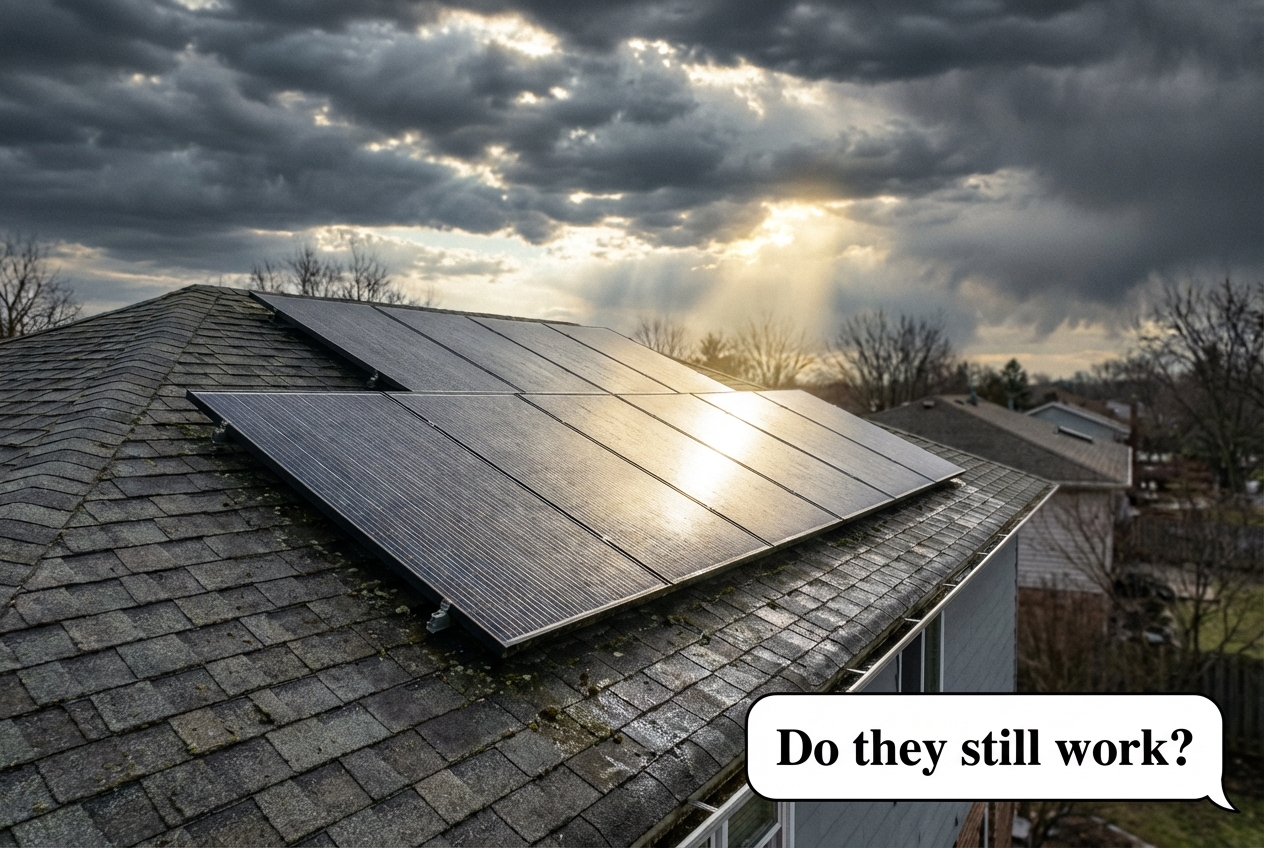
Solar panels still generate power on cloudy days and through NZ winters. Here's exactly how much output changes and why it still works.